Better understanding of the habitat and migration patterns of the North Atlantic Right Whale is a key goal of the Ecosystems and Passive Acoustic Monitoring (ECO-PAM) Project, which is a partnership with RUCOOL, Woods Hole Oceanographic Institution (WHOI), the University of Rhode Island (URI), and the offshore wind developer Ørsted. RUCOOL recently launched a second glider mission for the three year ECO-PAM project. The glider, RU34, includes oceanographic sampling instrumentation and a state of the art acoustic detection system developed at WHOI to listen for marine mammals while surveying the waters off of New Jersey. The official ECO-PAM website launched this week, which includes details on the project, team members, and access to data. Check it out!
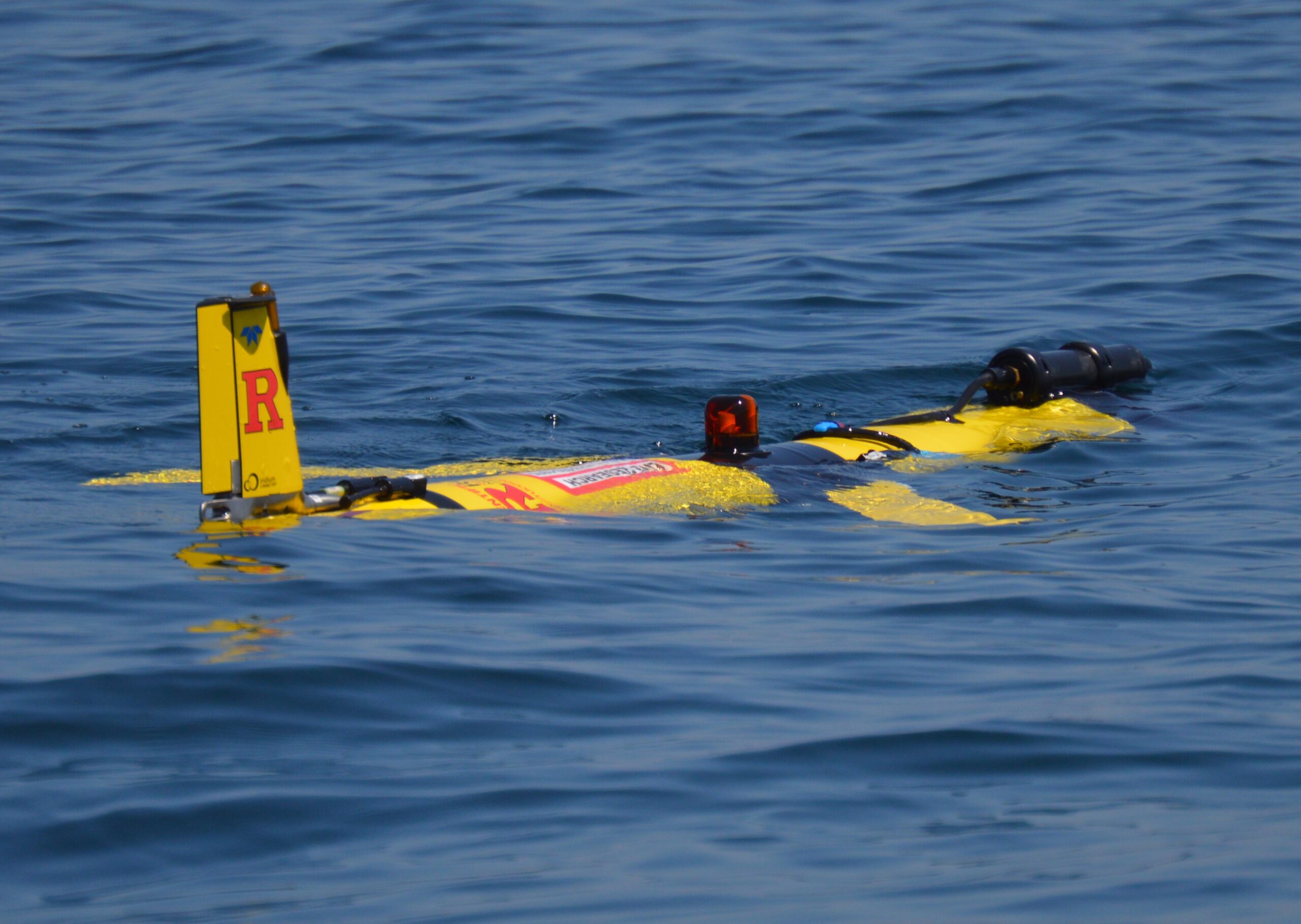
ECO-PAM Project Website Launches
You Might Also Like

Congratulations to the Rutgers 4-H STEM Ambassador Team
Ocean acidification, caused by increasing atmospheric carbon dioxide has been suggested to potentially have negative consequences for organisms that have calcium carbonate shells, such as shellfish